Source Colorful Geometric Crystal Hair Hoop for Gifts, Events, and Daily Wear
Compare 30 listings for the Colorful Geometric Crystal Hair Hoop from verified suppliers. Buyers can evaluate materials, MOQs, and lead times to find suitable options for business gifts, events, and daily fashion accessories.
Key considerations
Products List
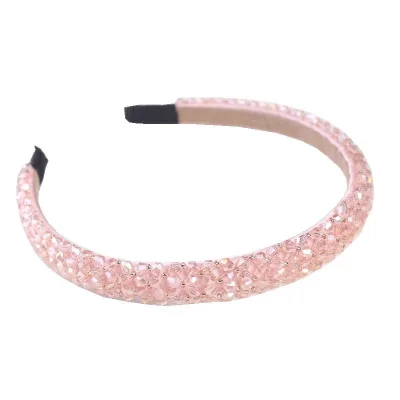
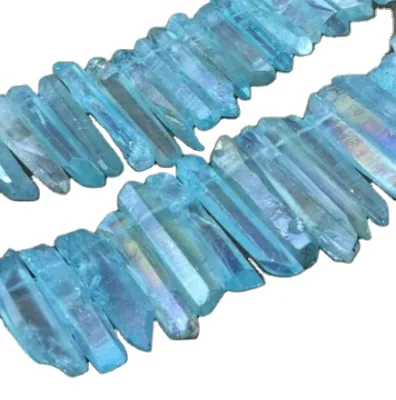

Charm Encrusted DIY Versatile Clothing Hair Accessories Hair Clips Hair Hoops
$0.10 - $0.35
MOQ: 50 Pieces
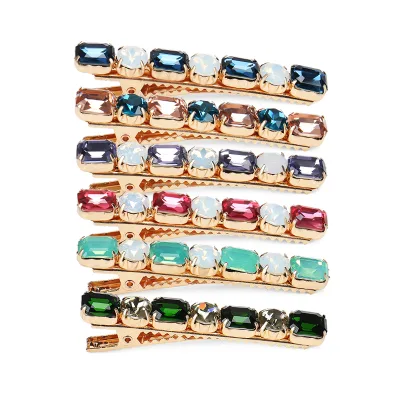
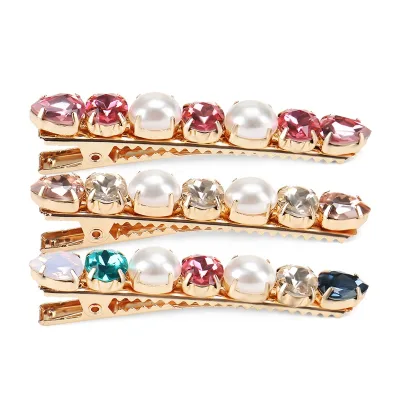


Pearl Hair Clip for Women Korean Hairpin Geometric Crystal Hair Barrettes
$1.25 - $1.45
MOQ: 12 Pieces

8PCS/Set Pearl Crystal Acrylic Hair Clips Retro Geometric Barrettes Hairpin
$2.28 - $2.48
MOQ: 12 Pieces


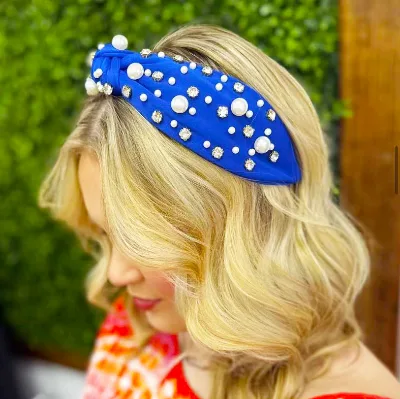


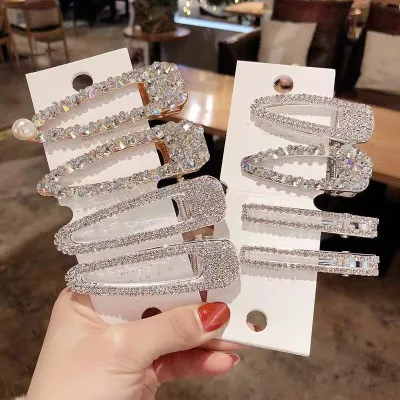


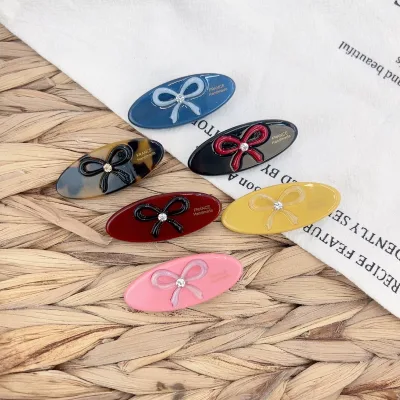
Women Trendy Decorative Hair Pin Colored Acetate Crystal Oval Hair Clip with Bow
$0.88 - $0.98
MOQ: 12 pieces
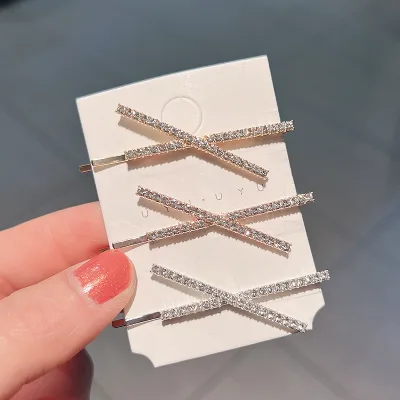


Comprehensive Sourcing Guide
Colorful Geometric Crystal Hair Hoop Sourcing Guide
Sourcing colorful geometric crystal hair hoops requires a nuanced understanding of the intersection between fashion accessories and jewelry-grade components. These items are typically categorized under head decorations, blending the structural integrity of a hoop with the aesthetic appeal of faceted crystals or rhinestones. Buyers must recognize that while the core function is decorative, the manufacturing complexity involves precise setting techniques to ensure stones remain secure during wear. The observed market signals indicate a diverse range of products, from simple fabric-based bands to more intricate metal or crystal-composite designs, each requiring distinct verification protocols.
The procurement landscape for these accessories is characterized by significant variability in material composition and origin. Suppliers often list products with overlapping attributes, such as "fabric" bases versus "metal" frames, or "crystal hair accessories" as a primary material descriptor. This ambiguity necessitates rigorous specification checks before placing orders. Furthermore, the branding landscape includes both OEM (Original Equipment Manufacturer) and ODM (Original Design Manufacturer) options, allowing buyers to customize designs or leverage existing supplier templates. Understanding these distinctions is critical for aligning product selection with brand identity and quality expectations.
Product Scope and Observed Listing Signals
The current market for hair hoops exhibits a wide spectrum of product types, ranging from basic fabric headbands to elaborate crystal-encrusted geometric designs. Observed listings reveal that "Rhinestone Hair Hoop" and "Crystal Hair Accessories" are common descriptors, often associated with European and American styles or folk art aesthetics. The color palette is extensive, with suppliers offering options such as gold, silver, gunmetal, rainbow finishes, and mixed-color variations. Buyers should note that some listings describe the product as a "comb" or "ball & globe" type, indicating that the geometric shape may vary significantly from a traditional circular hoop to more complex structural forms.
Material composition is a primary differentiator in this category, with listings citing fabric, metal, and crystal hair accessories as the base materials. The presence of "OEM Sunglasses Headband" branding in some listings suggests that suppliers may offer versatile manufacturing capabilities, potentially repurposing production lines for different accessory types. Additionally, the "eco-friendly" attribute appears in some product descriptions, which may appeal to sustainability-focused buyers, though the specific materials constituting this eco-friendliness must be verified. The visual presentation of these items often emphasizes their decorative nature, with features like "polished" techniques and "plating color" technologies enhancing their visual appeal.
Technical Specifications to Verify
Dimensional accuracy is paramount when sourcing geometric crystal hair hoops, as fit and comfort are directly influenced by size specifications. Listings indicate sizes ranging from approximately 24mm for individual components to about 38cm for the overall circumference of the hoop. Buyers must verify whether the stated size refers to the inner diameter, outer diameter, or the length of the band itself. The single package size also varies, with some items measuring 11x1x1 cm and others up to 15x15x10 cm, which impacts shipping costs and storage requirements. Confirming these dimensions ensures that the product meets the intended fit for the target demographic, whether for girls, ladies, or women.
Weight and packaging details are critical for logistics planning and cost estimation. Observed weights range from 0.03kg for lighter fabric-based items to 0.200kg for heavier crystal or metal constructions. The single gross weight may differ from the net weight due to packaging materials, such as OPP bags or standard packaging boxes. Buyers should also verify the "unit weight" in grams, which can be as low as 7g for smaller components. Understanding these metrics helps in calculating landed costs accurately and ensuring that the packaging protects the delicate crystal settings during transit.
Compliance and Safety Documentation
Safety compliance for hair accessories, particularly those with crystal or rhinestone embellishments, involves ensuring that materials are non-toxic and securely attached. Buyers should request documentation confirming that the crystals and metal components comply with relevant safety standards for consumer goods, such as restrictions on heavy metals like lead and cadmium. Although specific certification statuses are not universally listed, verifying that the supplier adheres to international safety guidelines is essential to prevent issues related to skin irritation or choking hazards, especially for products marketed towards younger demographics.
Environmental compliance is another key consideration, especially if the product is marketed as "eco-friendly." Buyers should inquire about the sourcing of materials and the manufacturing processes used to minimize environmental impact. This may include verifying the use of recyclable packaging materials, such as OPP bags, and ensuring that the plating and polishing techniques do not involve hazardous chemicals. Requesting material safety data sheets (MSDS) or environmental compliance certificates can provide additional assurance that the product meets regulatory requirements in the target market.
Cost Drivers and Commercial Terms
The cost of colorful geometric crystal hair hoops is influenced by several factors, including material quality, design complexity, and order volume. The observed price range of 0.1 to 9.6 USD reflects the diversity in product types, from simple fabric bands to intricate crystal designs. Minimum Order Quantities (MOQs) vary significantly, ranging from 6 pieces to 1000 pieces, allowing buyers to scale their orders based on demand and budget. Understanding these MOQs is crucial for managing inventory levels and minimizing holding costs, especially for new product launches.
Lead times and sample availability are also key commercial terms that impact procurement planning. Suppliers typically offer sample times of 3-5 days, allowing buyers to evaluate product quality before committing to larger orders. Production lead times can range from 10 to 20 days, depending on the order size and customization requirements. Buyers should negotiate clear terms regarding payment schedules, shipping methods, and return policies to mitigate risks associated with delays or quality issues. Additionally, the availability of OEM and ODM services may incur additional costs, which should be factored into the overall budget.
Supplier Qualification and Quality Control
Evaluating supplier qualifications is essential to ensure consistent quality and reliable delivery. Buyers should verify the supplier's production capabilities, including their experience with crystal setting and metal plating techniques. The presence of "OEM" and "ODM" acceptance indicates that the supplier has the flexibility to customize products, but buyers should assess their track record in delivering high-quality customized items. Requesting references or case studies from previous clients can provide insights into the supplier's reliability and professionalism.
Quality control measures should be clearly defined and agreed upon before production begins. Buyers should specify acceptance criteria for crystal attachment, plating finish, and overall structural integrity. Implementing pre-shipment inspections can help identify and rectify defects before the goods are dispatched. Additionally, establishing a clear communication channel for addressing quality issues and requesting replacements or refunds is crucial for maintaining a positive business relationship. Regular audits of the supplier's quality management systems can further ensure ongoing compliance with agreed-upon standards.
Long-Term Procurement Checks
Building a sustainable supply chain for colorful geometric crystal hair hoops requires ongoing monitoring and relationship management. Buyers should regularly review supplier performance metrics, such as on-time delivery rates, defect rates, and responsiveness to issues. Establishing a long-term partnership with a reliable supplier can lead to better pricing, priority production slots, and improved collaboration on new designs. Continuous feedback loops between the buyer and supplier can drive continuous improvement in product quality and service levels.
Market trends and consumer preferences in the hair accessory sector are dynamic, requiring buyers to stay informed about emerging styles and materials. Regularly updating product specifications and designs based on market feedback can help maintain competitiveness. Additionally, exploring opportunities for diversification, such as sourcing from multiple suppliers or expanding into related product categories, can mitigate risks associated with supply chain disruptions. By maintaining a proactive approach to procurement, buyers can ensure a steady supply of high-quality, fashionable hair hoops that meet the evolving needs of their customers.
FAQs
What materials are used for the hair hoop?
The hair hoop is primarily made of fabric and crystal hair accessories. Some variations include metal components for durability. These materials ensure the product remains lightweight while offering a fashionable appearance suitable for various occasions.
Can I customize the product design?
Yes, customization is available for this product. Buyers can request specific designs or branding through OEM and ODM services. This allows businesses to tailor the hair hoop to their specific market needs and brand identity requirements.
What is the minimum order quantity?
The minimum order quantity varies between 10 and 50 pieces depending on the specific supplier configuration. Some listings indicate a starting point of 10 pieces, while others may require 50 pieces. Buyers should verify the exact MOQ with the selected vendor.
How long does production take?
The lead time for production typically ranges from 10 to 20 days. Sample preparation requires 3 to 5 days before bulk manufacturing begins. These timelines ensure quality control while meeting standard delivery expectations for international orders.
Where is the product manufactured?
The product originates from Guangdong, China. This region is known for its manufacturing capabilities in fashion accessories. Buyers sourcing from this location can expect established supply chains and competitive pricing structures for bulk orders.
What packaging is used for shipping?
Items are packaged in OPP bags or standard packaging solutions. The single package size varies, with some units measuring 11x1x1 cm and others up to 15x15x10 cm. This ensures safe transport while keeping shipping costs reasonable for small to medium orders.